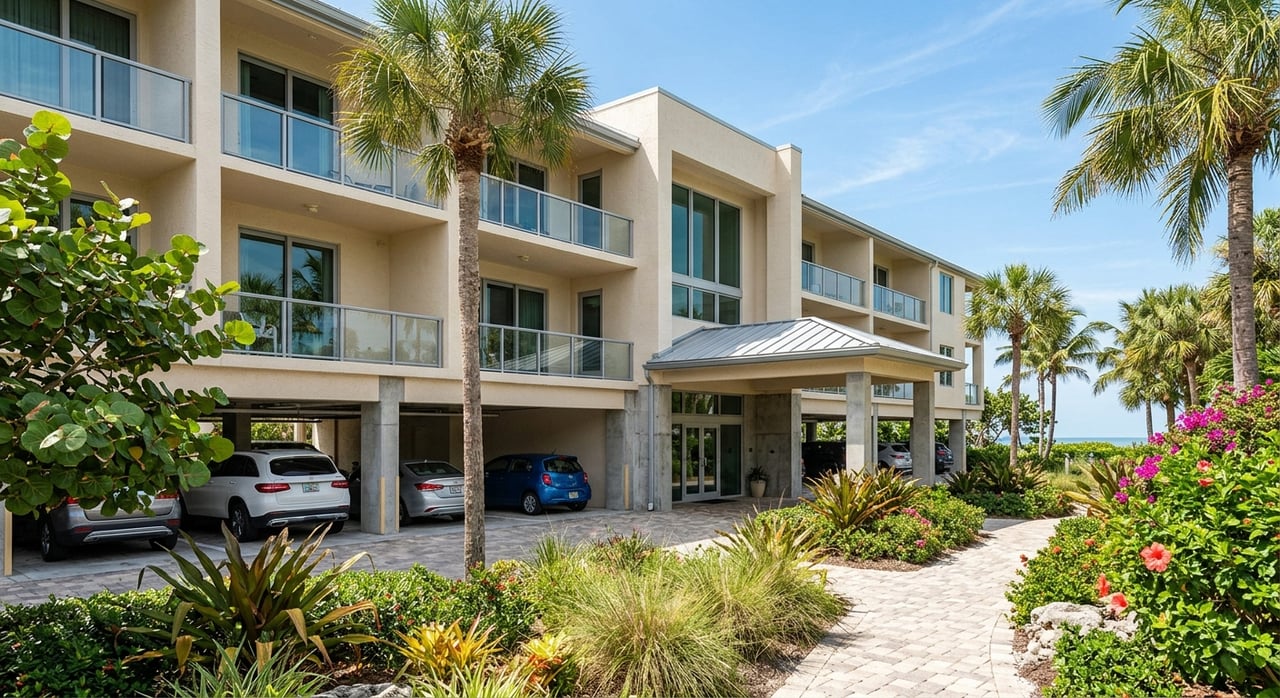
Dreaming about a beach condo you can actually enjoy and rent out when you are away? In Indian Shores, that idea can be very appealing, but the details matter more than most buyers expect. If you want a condo for both personal use and rentals, you need to look beyond the view and into the rules, costs, and building records that shape how the property will really work for you. Let’s dive in.
Why Indian Shores Gets Attention
Indian Shores sits on the Pinellas Gulf beach corridor, which puts you in a well-known coastal stretch alongside other beach communities like Indian Rocks Beach, Madeira Beach, Treasure Island, and Clearwater Beach. It is also served by the Suncoast Beach Trolley, which connects Indian Shores to other beach stops along the barrier island.
That matters if you are buying for mixed use. You are not just buying one condo in one town. You are buying into a beach market where access, parking, and rental flexibility can influence how practical the property feels for you and for guests.
Rental Rules Start With the Condo
One of the biggest points of confusion in Indian Shores is rental regulation. The town says it does not have rental restrictions, which often leads buyers to assume they are free to rent however they want.
In reality, the key restriction is usually the condo association. Florida condominium law allows condo declarations and governing documents to set rules on use, occupancy, leasing, and transfer, and buyers must be given notice when leasing is restricted or controlled.
What that means for you
Before you buy, you need to confirm whether the specific building allows the type of rental use you want. Important questions include:
- Is the condo owner-use only?
- Are rentals allowed monthly, seasonally, or short term?
- Is there a minimum lease period?
- Is there a waiting period after purchase before you can rent?
- Do tenants need association approval?
- Is there a rental cap or limit on how often you can lease?
For many buyers, this is the make-or-break issue. In Indian Shores, it is often more accurate to compare one condo building to another than to compare one town to another.
Short-Term Rentals Need Extra Review
If your goal is personal use plus short-term rental income, you need to look closely at Florida’s lodging rules. Florida defines a transient public lodging establishment as one rented more than three times in a calendar year for periods of fewer than 30 consecutive days, or one advertised for that kind of use.
Florida also has a vacation-rental condo classification and a licensing path through DBPR. If you want flexibility for shorter guest stays, this is the area that deserves careful review before you close.
Why this matters before you buy
A condo can look perfect on paper and still be a poor fit if the association rules block your rental plan. That is why review of the declaration, bylaws, and rules should happen early, not after you are emotionally committed.
For an investment-minded buyer, this is one of those details that changes outcomes. The right building can support both lifestyle use and rental goals. The wrong one can limit both.
Beach Access and Parking Affect Value
Indian Shores has multiple public beach access points, and the town notes that they include a mix of public parking, metered parking, and pedestrian-only access locations. For buyers, that is more than a local convenience detail.
If you plan to use the condo yourself and host guests at other times, parking and beach access can shape day-to-day experience. A unit with practical parking, guest-friendly access, and a building layout that supports easy arrivals can feel very different from one that makes every beach day more complicated.
Parking questions to ask
Before buying, confirm:
- Whether the unit has assigned parking
- Whether guest parking is available
- Whether oversized vehicles are limited
- Whether towing policies are enforced strictly
- Whether the parking setup fits how you and your guests will use the property
On barrier islands, parking is never a throwaway detail. It is part of the condo’s real-world usability.
Flood Risk Is Not Optional Due Diligence
Indian Shores says the town is in Evacuation Level A and a special flood hazard area. For a coastal condo buyer, that should immediately move flood and storm questions to the top of your checklist.
This does not mean you should avoid the market. It means you should evaluate the property with clear eyes and a coastal mindset.
Focus on these storm-related items
Ask about:
- Flood insurance requirements
- Wind coverage
- Building maintenance related to storms
- Evacuation planning
- Any recent storm-related repairs or insurance issues
If you are buying for part-time personal use, this becomes even more important. You want to know how the building prepares for weather events and what your responsibilities may be as an owner.
Review the Condo Documents Carefully
For any Indian Shores condo, especially one you may rent, official records tell you a lot about the health of the building and the risk profile of your purchase. Florida law lists key association records that unit owners can request, including financial and governance documents.
These records are where you often find the issues that do not show up in listing photos. They can also help you understand whether the building is well-managed or likely headed toward future cost surprises.
Documents worth reviewing
Request and review:
- The recorded declaration
- Bylaws and rules
- Current budget and financial reports
- Reserve study
- Recent board minutes
- Inspection reports
- Structural integrity reserve study, if available
- Any milestone inspection information
A detail-first review can help you spot pending special assessments, reserve concerns, leasing limitations, or maintenance items that affect both enjoyment and return.
Milestone Inspections Matter in Coastal Condos
For older coastal buildings, milestone inspection status is an important part of condo due diligence. Florida law requires milestone inspections for certain condominium buildings in coastal areas at the 25-year mark if they are three stories or higher, with repeat inspections every 10 years after that. Indian Shores has also published information reflecting that framework.
If the building falls under those rules, ask for the inspection status and any inspector-prepared summary. This can give you valuable context about the building’s condition, future repairs, and possible owner costs.
Why buyers should care
A unit’s purchase price is only part of the financial picture. If the building has deferred maintenance, reserve issues, or inspection-related repair work ahead, your true cost of ownership may look very different than expected.
That is especially important if you plan to balance personal use with rental income. Unexpected building costs can change the math quickly.
Understand Tax Responsibilities for Rentals
If you plan to rent the condo on a short-term basis, tax compliance is part of ownership. Florida says short-term living accommodations in condos are taxable, and registration may be required.
Pinellas County also confirms a 6% tourist development tax on accommodations rented for six months or less. In addition, a 1% discretionary sales surtax may apply, along with applicable Florida sales tax obligations.
What to verify early
Before you launch rentals, confirm:
- Whether your rental plan triggers state tax registration
- How tourist development tax applies to your stay lengths
- Whether the condo setup fits the type of rental use you want to offer
- Who will handle compliance and remittance
This is another area where buyers benefit from planning before closing, not after the first booking.
Indian Shores vs Other Beach Towns
When buyers compare Indian Shores with nearby Gulf beach communities, the most useful distinction is often not municipal branding. It is building-by-building rental flexibility.
Because Indian Shores itself does not regulate rentals, the better comparison is often between condo associations. Minimum stay rules, approval processes, parking allocation, and the quality of building documentation can have a bigger impact on your ownership experience than the town line itself.
That makes Indian Shores appealing for buyers who want options, but only if the specific condo supports the way you plan to use it.
A Smart Buyer Checklist
If you are considering buying a condo in Indian Shores for personal use and rentals, here is a practical checklist to guide your due diligence:
- Confirm the building’s minimum rental period
- Verify whether short-term rentals are allowed
- Ask about approval requirements for tenants or guests
- Check for any rental waiting period after purchase
- Review the declaration, bylaws, and rules
- Request financials, reserve information, and recent board minutes
- Ask whether milestone inspections apply to the building
- Review any inspection summaries or structural reports
- Confirm assigned and guest parking details
- Ask about flood insurance, wind coverage, and storm planning
- Verify state and county tax responsibilities for short-term stays
Each one of these items can affect whether a condo is a great fit, a limited-use second home, or a property that does not match your goals at all.
Final Thoughts on Buying in Indian Shores
Buying a condo in Indian Shores can be a smart move if you want a beach property that supports both personal enjoyment and rental potential. But this is a market where the details really do shape the outcome.
The town’s lack of rental restrictions does not give every condo equal flexibility. Association rules, building condition, insurance considerations, parking, and tax compliance all need to line up with your plan. If you want to buy with confidence, it helps to evaluate the property the same way you would evaluate any income-producing coastal asset, carefully and step by step.
If you want help sorting through condo rules, rental fit, and the practical details that can make or break a beach purchase, schedule a consultation with Kirsten Kelley.
FAQs
Can you do short-term rentals in Indian Shores, FL?
- Indian Shores says the town does not have rental restrictions, but the specific condo association may still limit or prohibit short-term rentals through its governing documents.
What matters most when buying a rental condo in Indian Shores?
- The most important factor is usually the condo association’s leasing rules, including minimum stay length, approval requirements, rental caps, and any waiting period after purchase.
Does an Indian Shores condo need flood planning?
- Yes. Indian Shores says the town is in Evacuation Level A and a special flood hazard area, so flood insurance, wind coverage, and evacuation planning are important parts of due diligence.
Are taxes due on short-term condo rentals in Pinellas County?
- Yes. Short-term condo rentals may trigger Florida sales tax obligations, Pinellas County’s 6% tourist development tax, and Pinellas County’s 1% discretionary sales surtax, depending on the rental use.
Should you review condo records before buying in Indian Shores?
- Yes. Buyers should review the declaration, bylaws, rules, financial reports, reserve information, board minutes, and any available inspection or milestone records before closing.