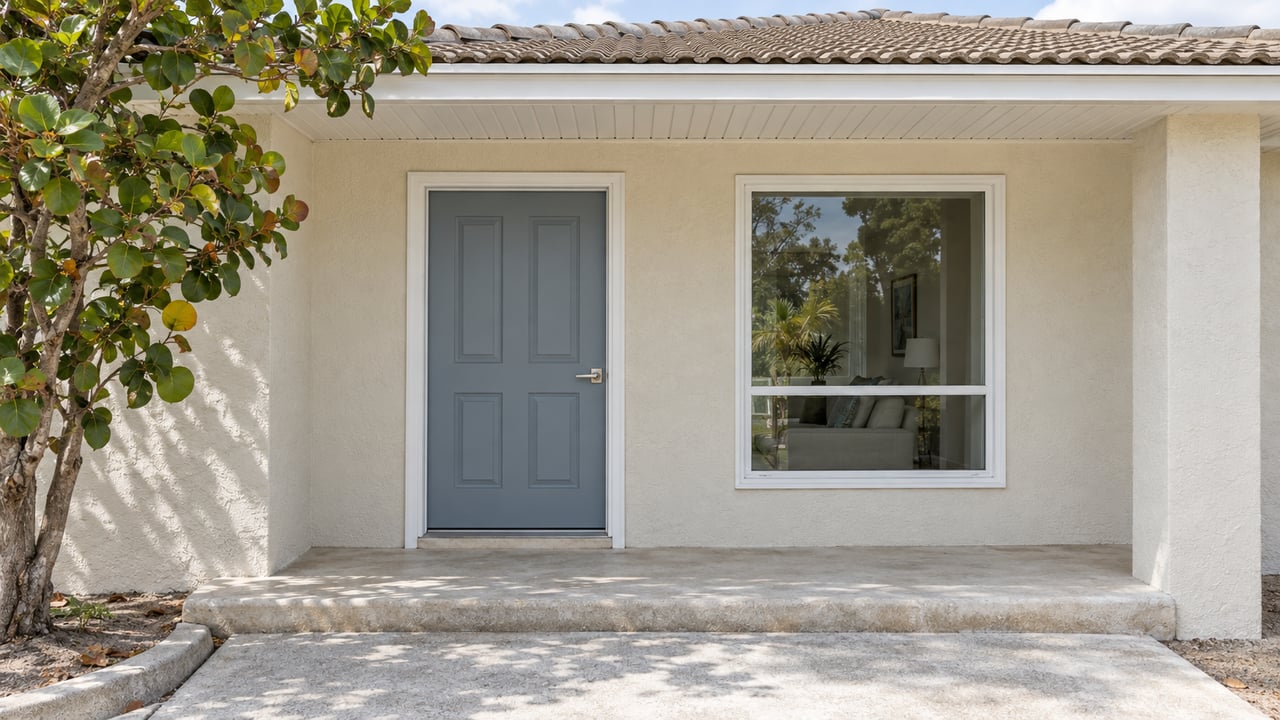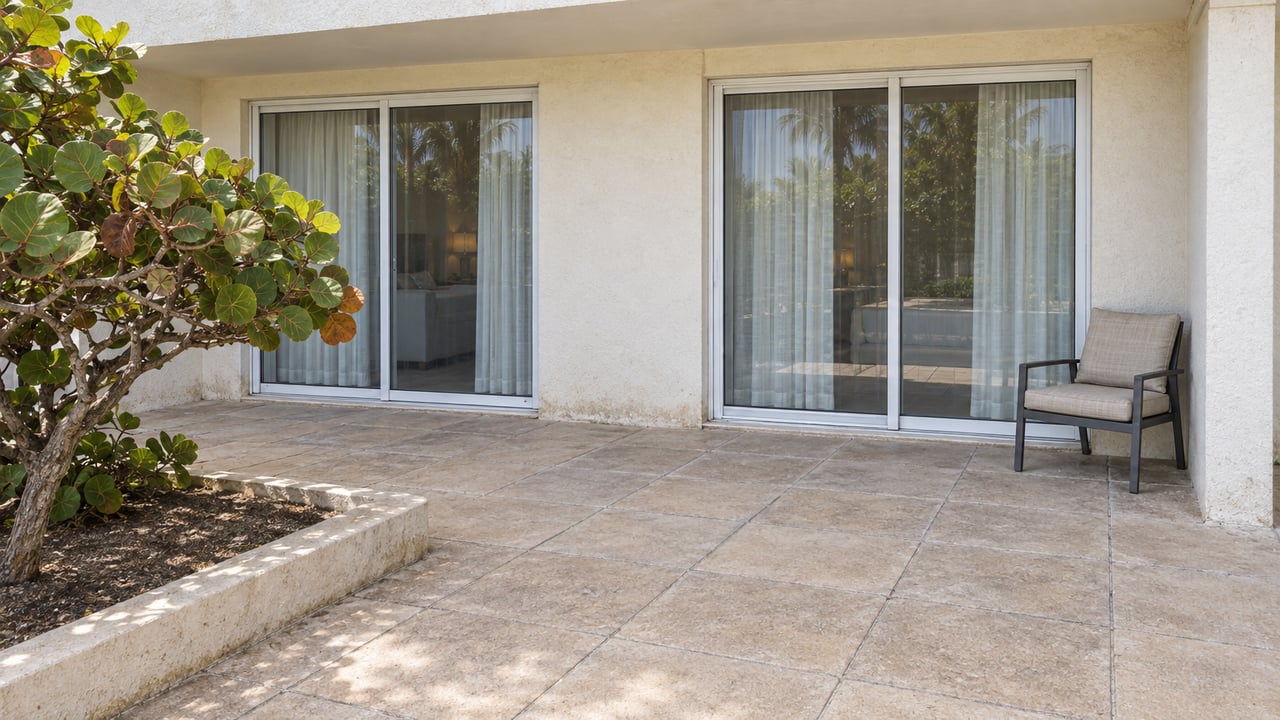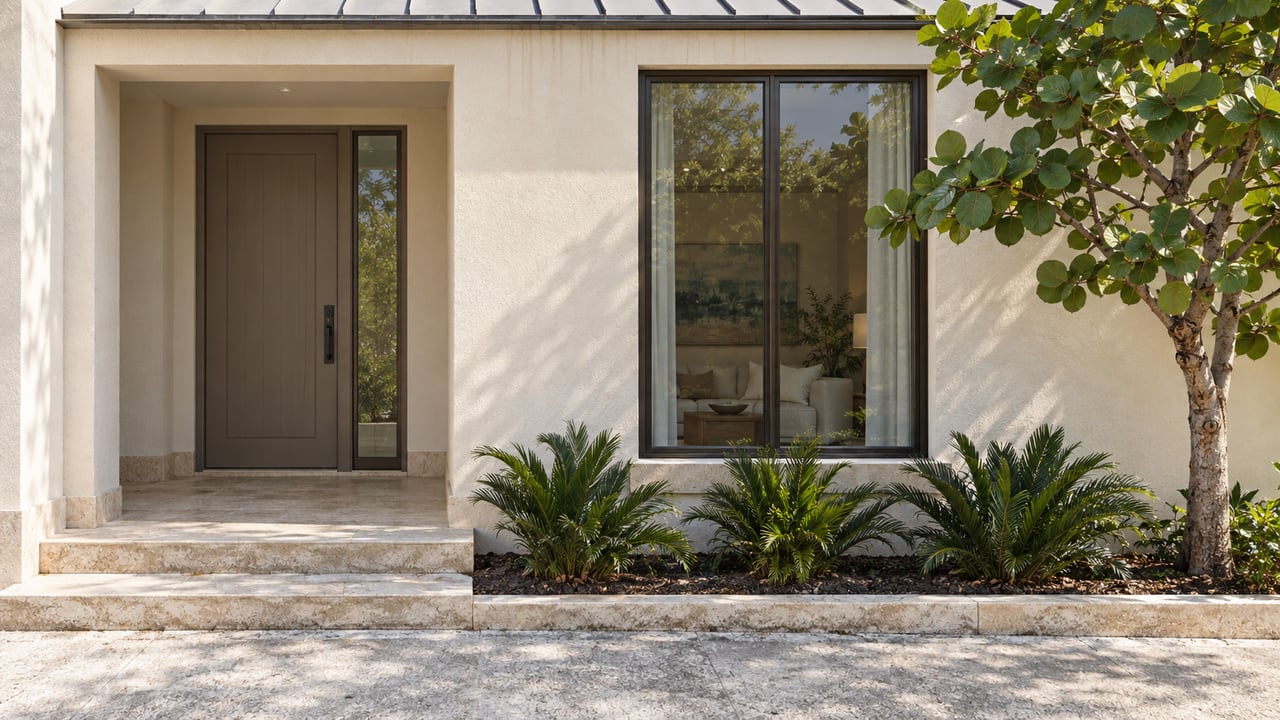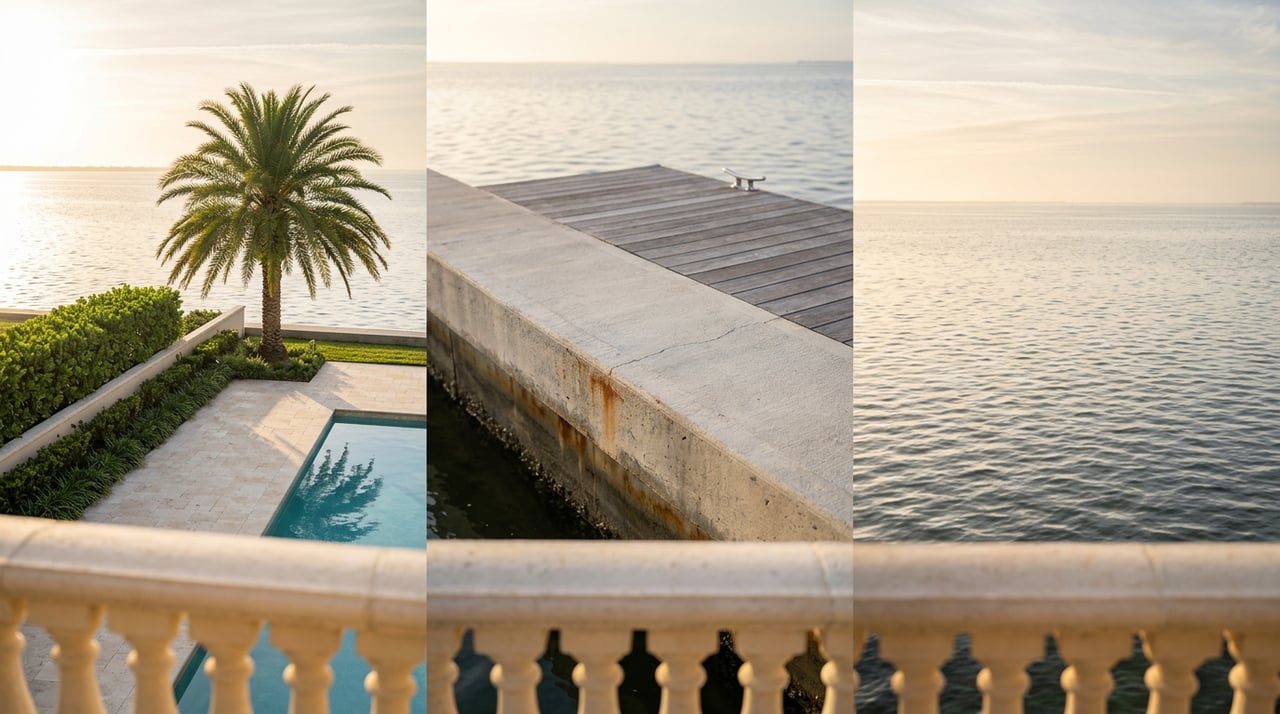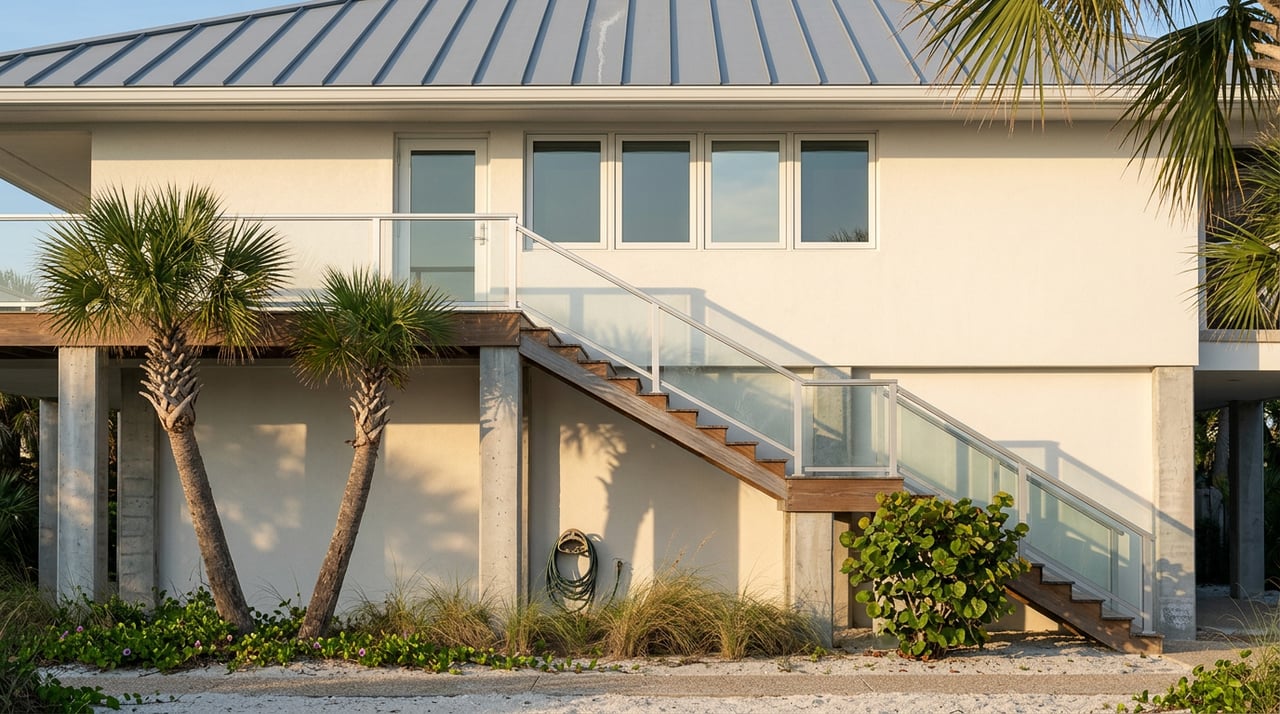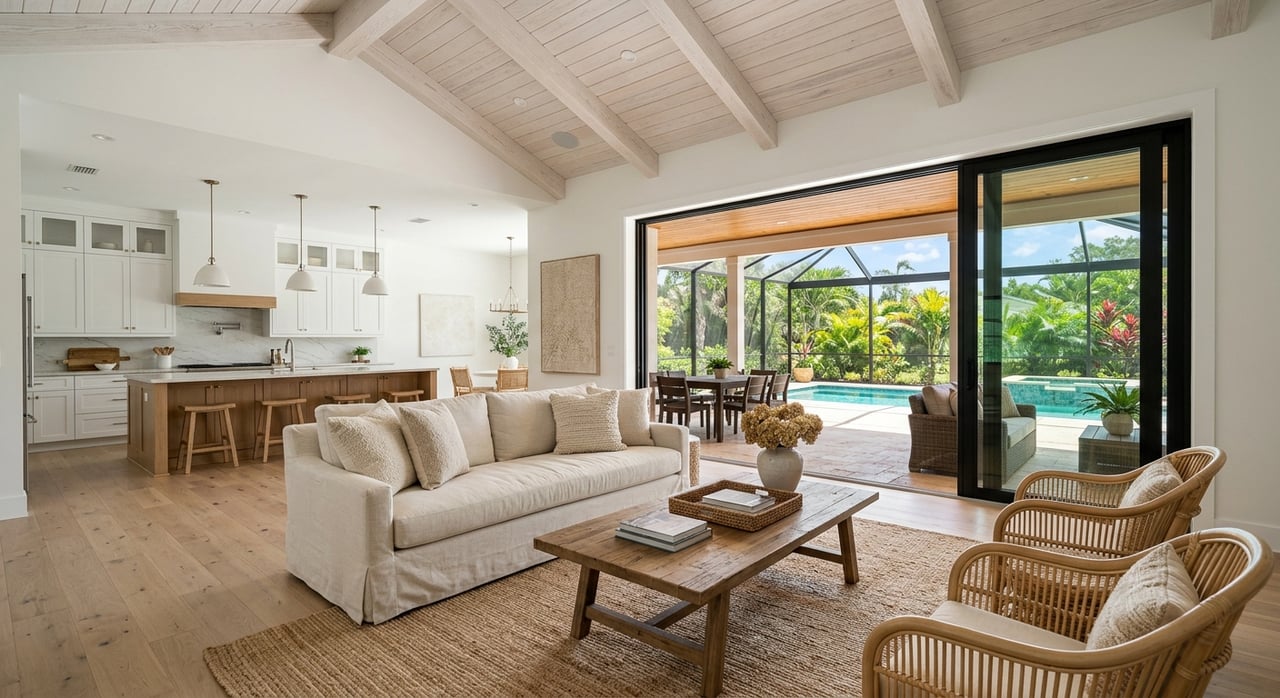
Trying to decide whether a Clearwater home should be your full-time address or your place to escape to? It is a smart question, because in Clearwater, that choice affects far more than your lifestyle. It can change your tax benefits, your financing options, your rental flexibility, and even how you plan for parking, storms, and flood risk. If you are weighing the pros and cons, this guide will help you think through the details that matter most. Let’s dive in.
Why your use matters first
Before you fall in love with a view or a floor plan, you need to define how you will actually use the property. In Clearwater, the difference between a primary residence, a second home, and a rental property is not just a label. It affects taxes, loan guidelines, and whether your income strategy is realistic.
That is especially important in a market like Clearwater, where beach, downtown, and inland locations can feel very different in daily life. A condo near the sand may be perfect as a getaway, while a home closer to downtown or inland may better support year-round living.
Primary residence benefits in Clearwater
If you plan to live in the home full-time, a primary residence often offers the clearest financial advantages. In Pinellas County, a homestead exemption is available only if the property is your permanent home and primary residence on January 1 of the tax year.
According to the Pinellas County Property Appraiser homestead exemption page, the current homestead benefit is a $51,411 exemption from assessed value. The first $25,000 is fully exempt, and the next $26,411 applies to value between $50,000 and $75,000. The county also notes that the Save Our Homes cap can limit annual assessed-value growth after the property has been homesteaded for a year.
If the property is rented, you no longer qualify for that exemption. For buyers comparing a full-time residence to a second home, that can create a meaningful difference in long-term ownership costs.
Non-homestead tax treatment
If your Clearwater property is not your primary residence, it is generally treated as non-homestead property. The Pinellas County Property Appraiser explains that non-homestead property is subject to a different assessment structure, including a 10% annual cap on assessed-value increases.
That does not automatically make a second home a bad choice. It simply means you should compare the numbers carefully before you buy. Details like this can make a real difference over time.
Financing changes by occupancy
Lenders also look at occupancy type very closely. Fannie Mae defines a principal residence as your primary home, while a second home must be occupied by you for part of the year, suitable for year-round occupancy, and remain under your exclusive control. Fannie Mae also states that a second home cannot be a rental property or timeshare, and rental income cannot be used for qualifying on a second-home loan, based on its Selling Guide occupancy standards.
Freddie Mac guidance also shows tighter leverage standards for second homes and investment properties than for primary residences. In simple terms, buying the same Clearwater property under a different occupancy category may change how much cash you need at closing and how your loan is structured.
Vacation home appeal in Clearwater
If your goal is a place that feels like a true escape, Clearwater offers strong second-home appeal. But location matters a lot.
Clearwater Beach lifestyle
The city describes Clearwater Beach as highly walkable, with restaurants, shops, Beach Walk, Pier 60, and marina-based activities all close by. That kind of setting often works well for buyers who want a home that immediately feels like a vacation.
Tourism is also part of the bigger picture. Visit St. Pete-Clearwater reported more than 15.4 million visitors and more than $11.2 billion in economic impact in fiscal year 2024 for Pinellas County. That does not change local rental rules, but it helps explain why beach-area properties draw so much interest from second-home buyers.
Sand Key and Island Estates feel different
Not every coastal Clearwater address offers the same ownership experience. The city notes that Sand Key includes year-round residential living along with restaurants, shops, hotels, and condos. That makes it a middle-ground option for buyers who want both a residential feel and resort-style surroundings.
Island Estates is another example of how location changes the equation. The city says the neighborhood sits between downtown Clearwater and Clearwater Beach, that nearly every property is waterfront, and that there is only one ingress and egress via Memorial Causeway. Traffic congestion can affect accessibility, which is important to factor into your day-to-day expectations.
When a primary home may fit better
If you want easier routines, simpler access, and fewer beach logistics, a year-round home in downtown Clearwater or an inland area may make more sense. The city describes downtown Clearwater as the urban core and notes transportation options like the Jolley Trolley, Clearwater Ferry, and PSTA.
For many buyers, that means easier errands, less dependence on beach parking, and a more practical setup for everyday living. If you are relocating, working remotely, or planning to live in the home most of the year, that convenience can outweigh the appeal of being right on the barrier island.
Hybrid use sounds great, but rules matter
A lot of buyers want the best of both worlds. You may be thinking, "Can I use the home part-time and rent it when I am away?" In Clearwater, that answer depends on the property’s jurisdiction, zoning, and any condo or HOA restrictions.
Clearwater city limits rental rules
Inside Clearwater city limits, the city’s Code Compliance handbook states that in residential districts, short-term rentals for less than 31 days or a calendar month are not allowed. Owners may advertise only monthly rentals, not daily or weekly rentals.
The handbook also says a Business Tax Receipt is required for residential rentals, and the rental application must include a local contact or representative with a current local phone number and physical address in one of several nearby Florida counties. If you are hoping to buy a beach property and rent it by the weekend, that is a detail you need to confirm before you write an offer.
Unincorporated Pinellas rules are different
If the property is in unincorporated Pinellas County instead of Clearwater city limits, a different set of rules may apply. Pinellas County states that short-term rentals are properties rented for less than 30 days at a time, more than three times a year, and owners must obtain a Certificate of Use, pass an inspection, and follow occupancy, parking, noise, and trash standards.
That city-versus-county distinction is one of the biggest details that can change your strategy. A rental plan that works in one area may not work in another. You also need to confirm condo, HOA, or deed restrictions, because local government rules do not override private community rules.
Beach ownership comes with extra logistics
Coastal living can be amazing, but it usually requires more planning than inland ownership. That is true whether the home is your primary residence or your getaway.
Parking and guest access
The city says Clearwater Beach parking is enforced daily. On-street parking costs $3.50 per hour, has a five-hour limit, and there is no public parking north of the Acacia Roundabout.
If you expect frequent guests, that matters. A home can look ideal on paper, but parking realities may affect how comfortable and convenient the property feels in real life.
Storm re-entry and flood planning
Barrier-island homes also involve storm-specific planning. Clearwater says residents and business owners on Clearwater Beach, Sand Key, and Island Estates need to register for the Barrier Island Re-Entry Program to receive emergency access permits after a hurricane or tropical storm.
Flood planning should also be part of your decision. Pinellas County flood guidance notes that flooding can happen anywhere in the county, standard homeowners insurance usually does not cover flood loss, and flood insurance may be worth considering for a home, business, or rental property. The county also notes a 30-day waiting period for flood insurance.
Coastal compliance details
Some ownership details are easy to overlook during the excitement of a purchase. For example, Clearwater’s code compliance handbook says sea turtle lighting standards apply on Clearwater Beach and Sand Key during nesting season, with lighting positioned and shielded so it does not directly illuminate beach areas.
This is one more reminder that coastal ownership can involve additional exterior and operational rules. These are not necessarily deal-breakers, but they should be part of your planning.
A simple way to decide
If you are unsure which path fits best, start with these questions:
- Will this be your permanent home, a second home, or a property you want to produce income?
- Is the address inside Clearwater city limits or in unincorporated Pinellas County?
- Do you want beach walkability, or do you need easier year-round routines?
- Are you comfortable with flood planning, storm re-entry requirements, and beach parking logistics?
- Do you need homestead tax benefits, or are you comfortable buying as a second home or investment property?
In many cases, the right answer comes down to how you want to live most of the year, not just how you want to feel on vacation.
Bottom line for Clearwater buyers
A Clearwater home can work beautifully as a primary residence, a vacation getaway, or a hybrid property, but the best choice depends on the details. Primary residences usually offer the strongest tax and financing advantages. Vacation homes often shine in beach-focused locations like Clearwater Beach and Sand Key. Hybrid use can work too, but only if the property’s jurisdiction and rules support the rental pattern you want.
That is why it helps to evaluate each property through both a lifestyle lens and a practical one. In Clearwater, details are not small. They are often the difference between a smart fit and an expensive surprise.
If you want help sorting through Clearwater neighborhoods, occupancy strategy, or rental-rule questions before you buy, connect with Kirsten Kelley. She can help you evaluate the details that shape value, usability, and long-term fit.
FAQs
Is a Clearwater primary residence better for taxes than a vacation home?
- Yes. If the home is your permanent primary residence and qualifies for homestead, Pinellas County says you may receive a homestead exemption and related assessment benefits that do not apply to non-homestead property.
Can you rent out a Clearwater home for weekends or weekly stays?
- In residential districts inside Clearwater city limits, the city says rentals of less than 31 days or a calendar month are not allowed, so you should verify jurisdiction and zoning before assuming short stays are permitted.
Are Clearwater Beach and downtown Clearwater good for the same type of buyer?
- Not always. Clearwater Beach is more recreation-focused and walkable to beach attractions, while downtown Clearwater offers a different living experience with urban-core access and public transportation options.
Does a second home loan in Clearwater work the same as a primary home loan?
- No. Fannie Mae and Freddie Mac treat primary residences, second homes, and investment properties differently, which can affect occupancy requirements, qualifying, and leverage.
What should buyers check before choosing a Clearwater hybrid-use property?
- You should confirm whether the property is in Clearwater city limits or unincorporated Pinellas County, review rental rules for that jurisdiction, and verify any condo, HOA, or deed restrictions before moving forward.