If you want a Pinellas County lifestyle that feels residential and grounded, but still keeps parks, trails, and Gulf access within reach, Seminole deserves a closer look. For many buyers, the challenge is finding a place that supports everyday routines, not just weekend plans. This guide will walk you through what daily living in Seminole can actually look like, from housing options to recreation and coastal access, so you can decide whether it fits your goals. Let’s dive in.
What Everyday Life Feels Like
Seminole is a small city in Pinellas County with an estimated population of 19,395 and 8,989 households across 5.18 square miles, according to U.S. Census QuickFacts. The same source reports a 73.3% owner-occupied housing rate, which helps explain why the city often feels more residential than transient.
The numbers also point to a stable community. Census data shows that 87.1% of residents lived in the same house one year earlier, and 32.2% of residents are age 65 or older, based on Census QuickFacts for Seminole. In practical terms, that supports a lifestyle centered on established routines, familiar surroundings, and neighborhoods that tend to feel lived-in rather than constantly changing.
Seminole also benefits from being in Pinellas County, where outdoor living is part of the region’s identity. County planning materials note that Pinellas has about 39 miles of Gulf coastline and more than 20,000 acres of parks and preserves. That regional context matters because it gives you access to beaches, trails, and open space without giving up the convenience of a smaller residential base.
Seminole Homes and Housing Mix
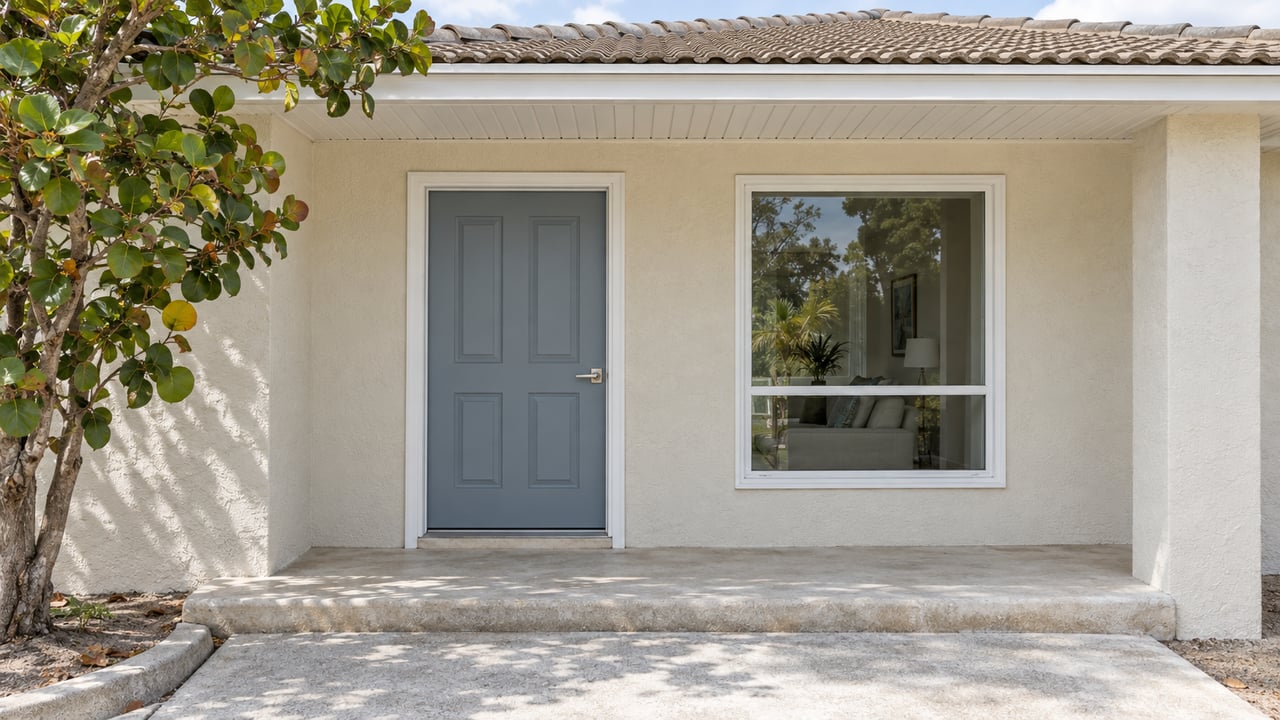
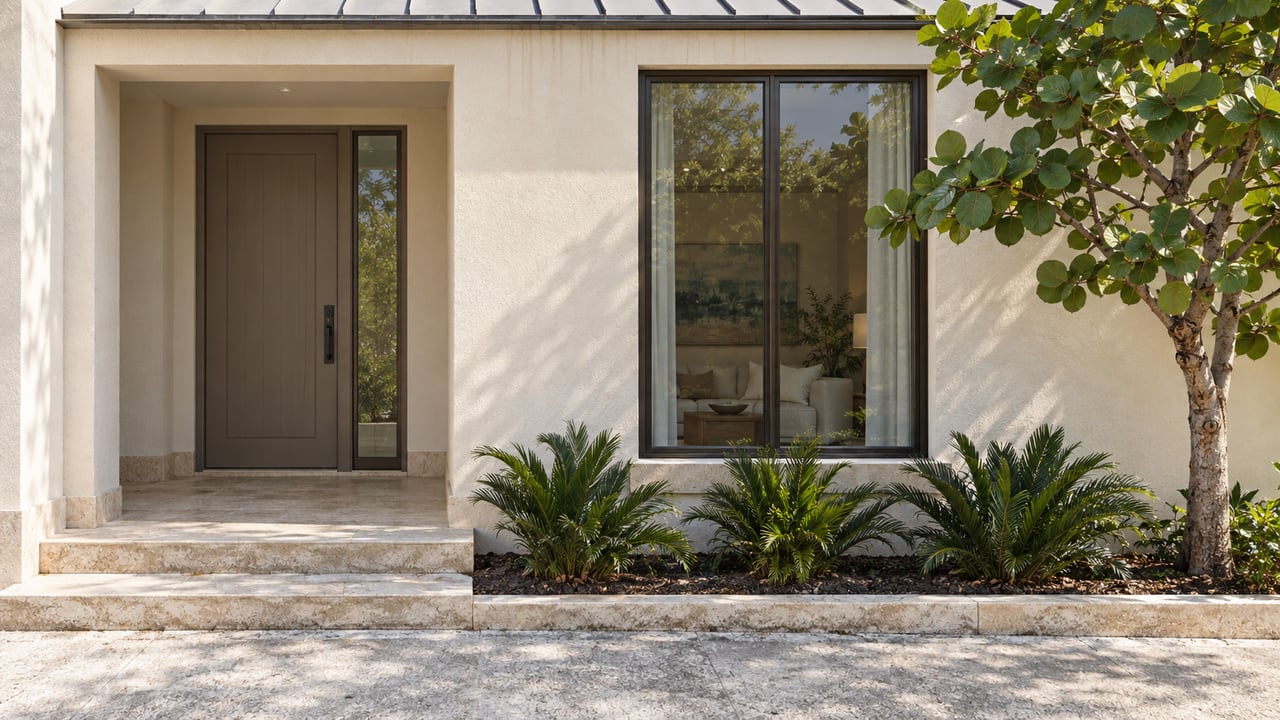
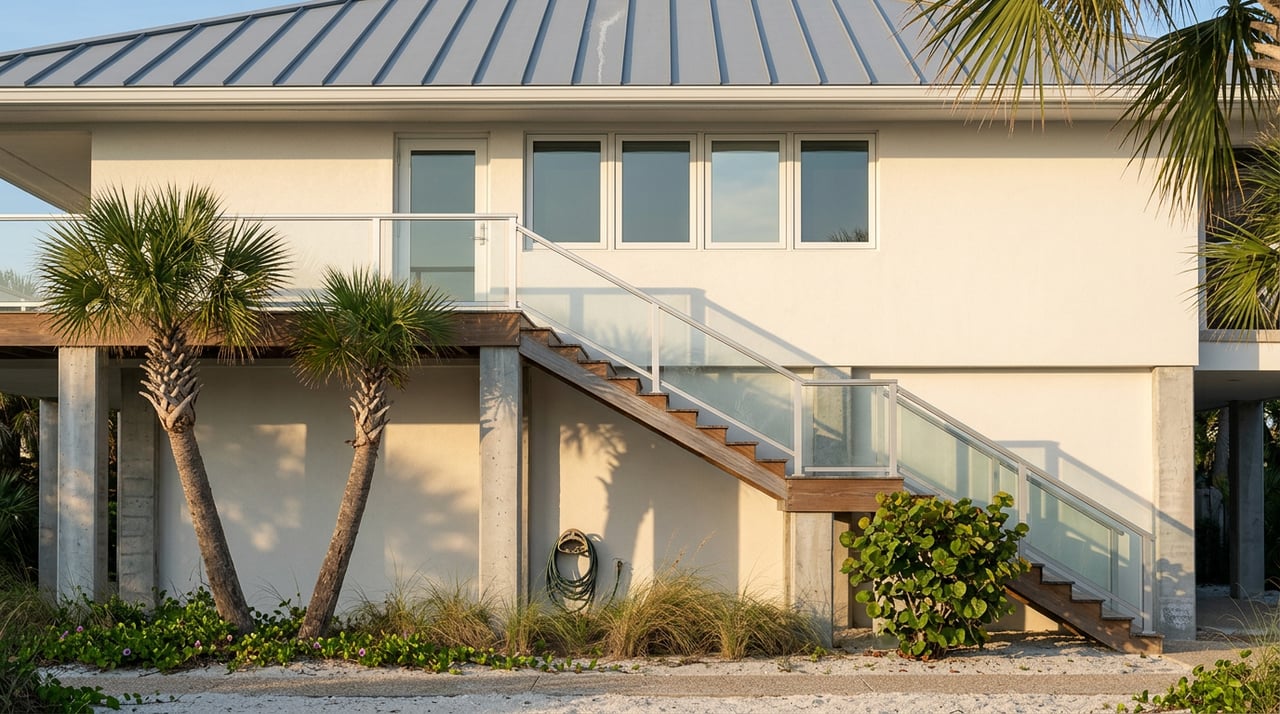
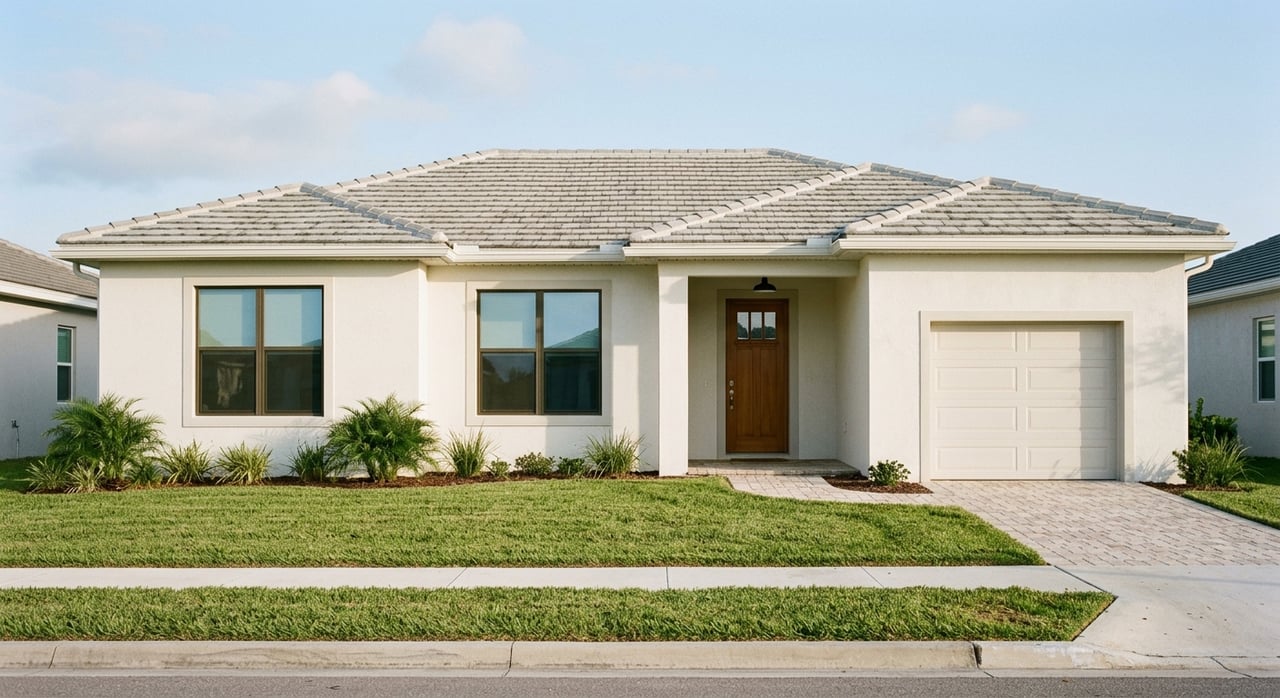
One of Seminole’s strengths is that it does not rely on just one type of housing. The city’s ACS community profile shows 4,880 single-family units, 4,223 multifamily units, and 1,314 mobile-home units, based on the Seminole ACS profile. That mix gives you more flexibility whether you want a detached home, a lower-maintenance condo-style option, or another housing type that fits your budget and goals.
The same ACS profile lists 6,297 owner-occupied units and 2,243 renter-occupied units. Combined with the Census owner-occupancy rate, that points to a city with a strong ownership base and a housing stock that supports long-term residency.
From a home search perspective, Seminole is often more about established neighborhoods than large waves of new construction. Pinellas County planning materials describe the county as mostly built out and increasingly focused on redevelopment and infill. For you as a buyer, that means paying attention to location, lot use, layout, and property condition can matter more than waiting for a brand-new master-planned section to appear.
Parks Built Into Daily Routine
If your ideal day includes time outdoors, Seminole gives you several ways to work that into normal life. The City of Seminole lists four city parks: Seminole City Park, Tennis Club Park, Blossom Lake Park, and Waterfront Park. The city also notes that all city parks are open sunrise to sunset.
That may sound simple, but it makes a difference in daily living. When park access is easy and consistent, it becomes more realistic to fit in a walk, a playground stop, or some fresh air before or after work instead of saving all recreation for the weekend.
The city recreation center adds another layer of convenience. According to the city’s recreation hours and programming page, the center is open Monday through Friday from 6:00 a.m. to 8:00 p.m. and Saturday from 8:00 a.m. to 2:00 p.m. The city also offers senior-lounge programming that includes coffee chats, a crafting club, Memory Café, socials, beginner ukulele, and lunch-and-learns.
Lake Seminole Park and Bigger Green Space
For many people, Lake Seminole Park is one of the biggest quality-of-life draws nearby. Pinellas County says Lake Seminole Park spans 258 acres and includes a scenic three-mile path, trails, playgrounds, a boat ramp, fishing, restrooms, water fountains, and wheelchair access. The county also notes that the park is open daily from 7 a.m. to sunset, and swimming is not permitted.
That kind of park supports more than occasional recreation. It can become part of your regular schedule, whether that means a morning walk, an after-work loop, time at the playground, or a weekend fishing stop.
Seminole also connects well to larger county park options. Pinellas County lists Boca Ciega Millennium Park as a 186-acre park in Seminole with access to the Pinellas Trail. The county also lists Walsingham Park at a Seminole address, with 354 acres, a 100-acre lake, a 6-mile shared-use trail, a fitness area, a dog park, and a boat ramp.
Trail Access Matters Here
If walking, jogging, biking, or skating is part of your lifestyle, regional trail access is a real advantage. The Fred Marquis Pinellas Trail runs 47 miles from St. Petersburg to Tarpon Springs and is open daily from 7 a.m. to sunset.
For Seminole residents, that creates a useful connection point to recreation beyond the immediate neighborhood. You are not limited to one park loop or one local path. Instead, you have access to a regional corridor that supports active routines and broader exploration across Pinellas County.
Gulf Access Without Living on the Beach
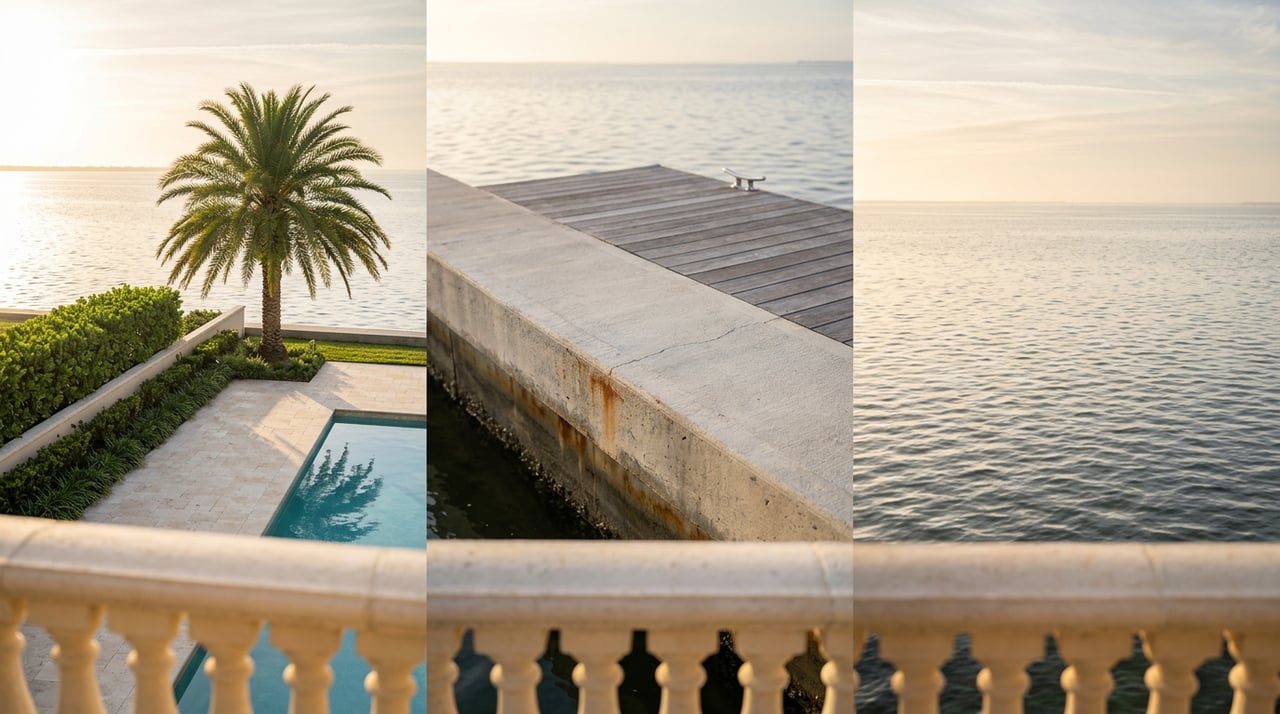
One of Seminole’s practical advantages is that you can enjoy Gulf Coast access without necessarily living in a beach-front setting. Pinellas County maintains three regional Gulf beach parks: Fort De Soto, Sand Key, and Fred Howard. The county also maintains five beach-access sites with parking at Indian Rocks Beach, Indian Shores/Tiki Gardens, Madeira Beach, Redington Shores, and St. Pete Beach.
The county notes a $6 per day parking fee at the three regional beach parks. For everyday planning, that helps you weigh whether you want a quick beach-access stop, a longer beach day, or a more occasional full outing at one of the larger regional parks.
County planning materials also make clear that coastline and beach access are central to quality of life in Pinellas. Seminole fits well for buyers who want that coastal benefit nearby, but prefer a more inland residential home base for day-to-day living.
A Realistic Day in Seminole
The best way to understand Seminole is to picture how amenities fit together. A realistic routine here might start with a walk at Lake Seminole Park or a bike ride connected to the Pinellas Trail. Later, you might handle errands in town or make use of the recreation center, then head toward a Gulf beach access point in the late afternoon or on the weekend.
That rhythm is one reason Seminole stands out. You are not choosing between a purely suburban routine and a coastal lifestyle. You are combining an established residential setting with regular access to the outdoor features that make Pinellas County so appealing.
Who Seminole Often Fits Best
Seminole can make sense for several types of buyers, especially if your priorities are practical and lifestyle-driven.
You may want to look more closely at Seminole if you are searching for:
- A primarily residential setting with a strong ownership base
- A mix of housing types instead of one narrow product category
- Convenient access to parks and trails for everyday use
- A location within Pinellas County that keeps Gulf beaches within reach
- An established area where neighborhood character matters more than large-scale new construction
As always, the right fit comes down to your goals. Some buyers want daily beach walkability, while others prefer a quieter home base with easier parking, established housing, and routine access to green space. Seminole tends to appeal to the second group.
Why Details Matter in Seminole
Because Seminole is part of a built-out Pinellas market, small differences can have a big impact on your decision. The layout of a home, the condition of an older property, proximity to parks or major roads, and the type of housing stock in a given area can all shape your day-to-day experience.
That is why it helps to look beyond the headline description of a city. You want to understand how a place functions when you are not on vacation, and how a specific home supports the life you plan to live there.
If you are considering a move in Seminole or anywhere in Pinellas County, working with a local advisor who pays attention to the details can help you narrow your options with more confidence. If you want a practical, detail-first conversation about Seminole homes and lifestyle fit, connect with Kirsten Kelley.
FAQs
What is everyday living like in Seminole, FL?
- Everyday living in Seminole often centers on a residential routine with access to local parks, the recreation center, nearby county parks, the Pinellas Trail, and Gulf beach access points throughout Pinellas County.
What types of homes are common in Seminole, FL?
- Seminole has a mixed housing stock that includes single-family homes, multifamily options such as condos or apartments, and some mobile-home inventory, according to the city’s ACS community profile.
What parks are located in Seminole, FL?
- The City of Seminole lists Seminole City Park, Tennis Club Park, Blossom Lake Park, and Waterfront Park, and all city parks are open from sunrise to sunset.
What is Lake Seminole Park like for Seminole residents?
- Lake Seminole Park is a 258-acre county park with a three-mile path, trails, playgrounds, a boat ramp, fishing, restrooms, water fountains, and wheelchair access, and it is open daily from 7 a.m. to sunset.
How close is Seminole, FL to Gulf beaches?
- Seminole offers practical access to Pinellas County beach destinations and beach-access sites, including locations with parking at Indian Rocks Beach, Indian Shores/Tiki Gardens, Madeira Beach, Redington Shores, and St. Pete Beach.
Is Seminole, FL a good fit for buyers who want parks and trails?
- Seminole can be a strong fit if you want regular access to parks and trails, including city parks, county parks, Lake Seminole Park, Boca Ciega Millennium Park, Walsingham Park, and the Fred Marquis Pinellas Trail.