Selling a home in Largo can feel simple at first until you start weighing price, prep, photos, disclosures, and inspection risk all at once. If you want a strong result, you need more than a sign in the yard. You need a plan that fits how buyers are shopping in today’s Pinellas County market and how Largo pricing really works. Let’s dive in.
Start With Largo Market Reality
One of the biggest mistakes sellers make is pricing based on nearby beach communities instead of true Largo-area competition. Recent market snapshots put Largo around a $325,000 median sale price in March 2026, while Clearwater was around $395,000, Dunedin around $455,000, Clearwater Beach around $565,000, and St. Pete Beach around $599,000. That gap matters because being near the coast is not the same as competing like a beach-market property.
Pinellas County’s March 2026 single-family market also showed 4,163 active listings, 8.1 months of supply, and a 95-day median time to sale. In plain terms, buyers have options. That means confident sellers usually do best when they price with discipline and let the home’s condition, updates, lot utility, parking, flood profile, and overall presentation support the number.
Price From Comparable Homes
A smart Largo pricing strategy starts with the right comparisons. In most cases, that means looking first at nearby Largo homes and other non-beach Pinellas alternatives, then adjusting for features that actually change value. If your home does not offer true coastal attributes, pricing it like a beach property can create friction fast.
This is where details matter. Updated kitchens and baths, usable outdoor space, garage or extra parking, and a lower-risk flood or insurance profile may help your home stand out. But in a market where buyers can compare many listings online in minutes, the price still has to make sense from day one.
Fix The Friction Points First
Before you think about paint colors or decor, handle the issues that can slow a sale or trigger renegotiation. Florida Realtors recommends focusing first on items tied to safety, function, and durability. That includes leaks, electrical hazards, rotted exterior materials, clogged gutters, missing smoke or carbon monoxide alarms, GFCI issues, roof concerns, foundation movement, moisture intrusion, mold, and active plumbing leaks.
This kind of prep is not about making a home perfect. It is about removing the obvious problems that make buyers uneasy. When a buyer sees signs of deferred maintenance, they often assume there is more trouble behind the walls.
Repairs That Matter Most
If you are deciding where to spend time and money, start here:
- Roof leaks or visible roof concerns
- Plumbing leaks or water stains
- Electrical issues, including missing GFCI protection where needed
- Moisture intrusion or mold concerns
- Rotted wood or damaged exterior components
- Clogged gutters and drainage problems
- Missing smoke or carbon monoxide alarms
- Obvious DIY fixes that look incomplete or unsafe
These are the issues most likely to affect buyer confidence and inspection results.
Consider A Pre-Listing Inspection
A pre-listing inspection can help you spot issues before your buyer does. Florida Realtors recommends sellers consider this step so they can fix problems proactively and reduce the chance of surprise negotiations later. It can also help you decide what to repair, what to disclose, and what to price around.
If you complete repairs before listing, keep your receipts and any warranty documentation. That paper trail can help support buyer confidence when questions come up during showings or after the contract is signed.
Review Disclosures Early
Florida sellers have important disclosure obligations, and it helps to handle them before the home goes live. Florida Realtors explains that sellers must disclose known facts that materially affect value and are not readily observable, even when a property is sold "as is." Pending code-enforcement matters may also require specific written disclosure.
Flood disclosure matters too. Under Florida Statute 689.302, a flood disclosure must be provided to the buyer at or before contract execution. The form addresses topics such as prior flood-related insurance claims or FEMA assistance, and it notes that standard homeowners insurance does not cover flood damage.
Check Permit And Flood Information
For Largo sellers, it is also wise to review county records before listing. Pinellas County provides permit, inspection, and GIS flood mapping tools that can help you confirm past work and better understand whether flood exposure should be part of your pricing and disclosure strategy.
If you know a room addition, roof replacement, or other major update was done in the past, this is a good time to check the file. It is much easier to answer buyer questions early than to scramble for records during escrow.
Older Homes Need Extra Care
If your home was built before 1978, federal lead-based paint disclosure rules may apply. Sellers of most pre-1978 housing must disclose known lead-based paint information before the sale. If you are doing touch-up work before listing, use care with any repair or painting project that could disturb older painted surfaces.
Focus On Presentation That Buyers Notice
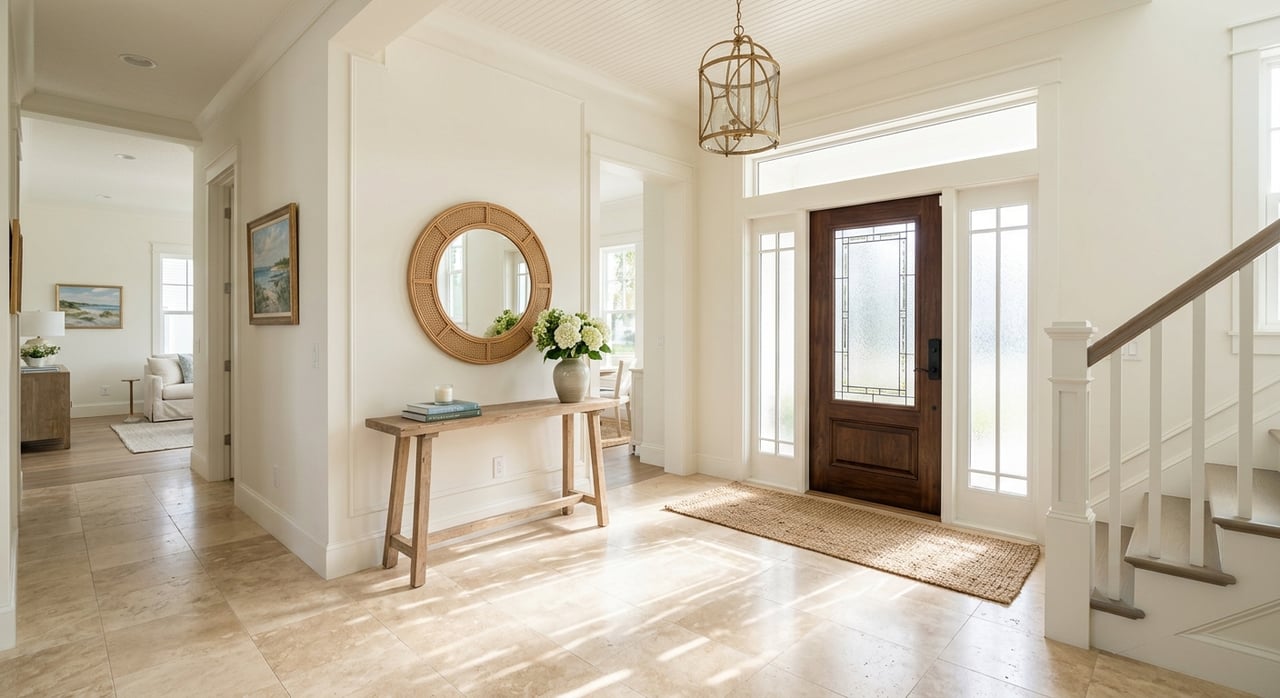
Once the house is repaired and cleaned up, presentation becomes the next value lever. According to NAR’s 2025 staging research, 83% of buyers’ agents said staging made it easier for buyers to visualize a property as a future home. That matters because buyers are not just comparing square footage. They are comparing how each home feels.
The same research found that the most important rooms to stage were the living room, primary bedroom, and kitchen. If you are trying to prioritize effort, start there. Those rooms shape early impressions both online and in person.
High-Impact Prep Before Photos
Sellers do not always need a full redesign to improve presentation. The most common seller prep recommendations in NAR’s research were:
- Decluttering the home
- Entire-home cleaning
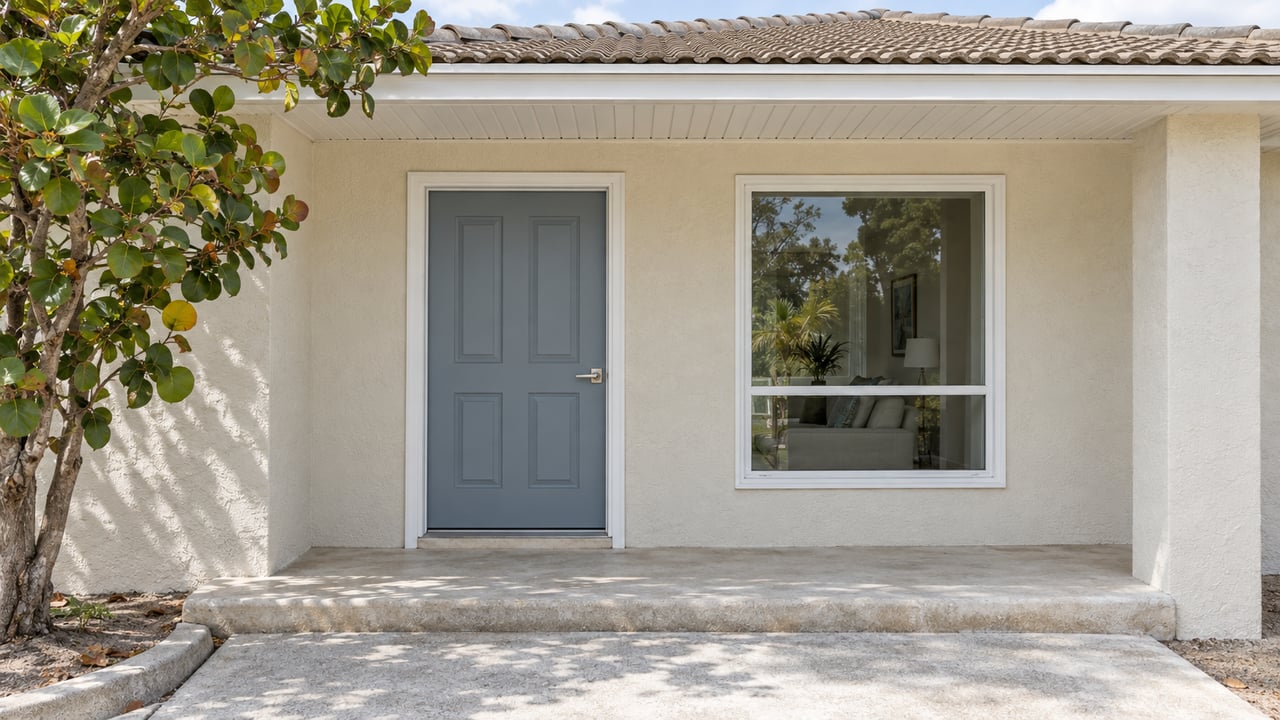
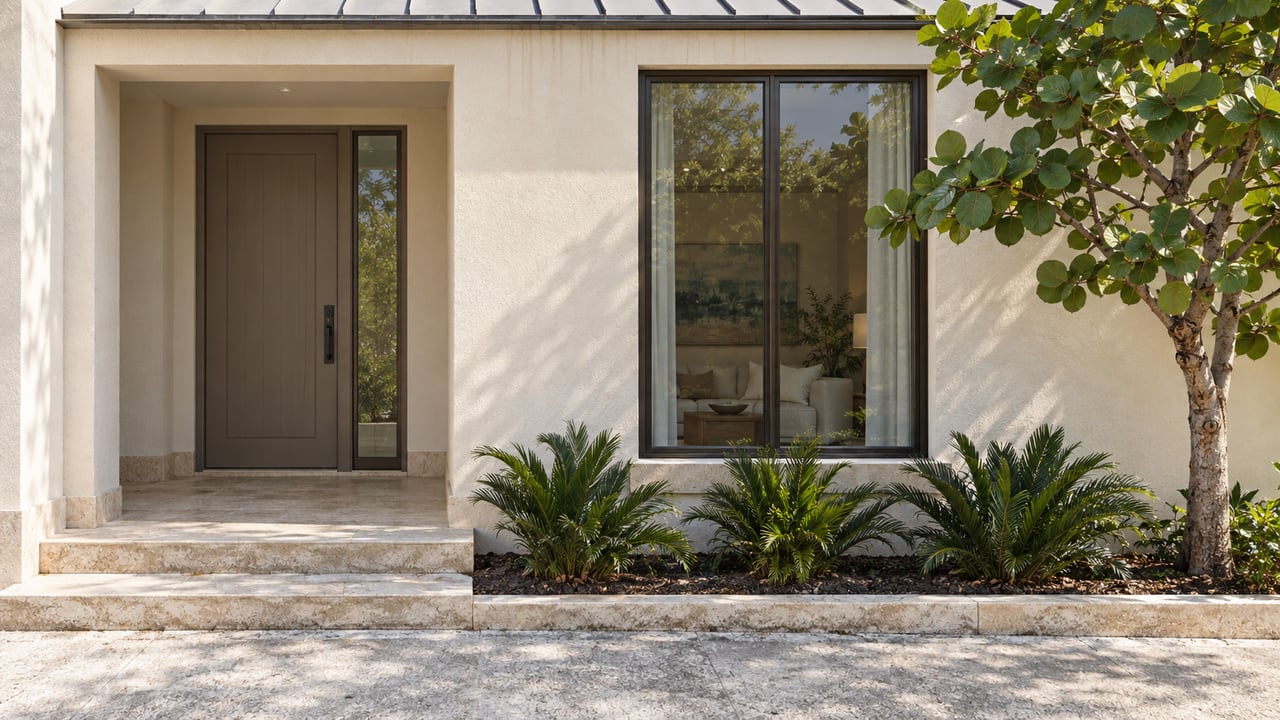
- Improving curb appeal
- Professional photos
These are often the most practical ways to improve how your home shows without overcomplicating the process.
Build The Listing For Online Search First
Most buyers will meet your home online before they ever step inside. NAR’s 2025 buyer research found that 81% of buyers rated listing photos as the most useful feature in their online search. That means your launch needs to feel polished and complete from the first day it hits the market.
Photos, staging, videos, and virtual tours all play a role in helping buyers decide whether to schedule a showing. By comparison, only 24% of buyers said information about upcoming open houses was very useful. So while open houses can still help, they work best after the listing already looks strong online.
Honest Marketing Wins
Good marketing should highlight your home, not oversell it. Buyers respond best when the photos and description present a true picture of the property’s condition, finishes, layout, and features. If the online presentation creates unrealistic expectations, that disconnect often shows up later in feedback, inspections, or price negotiations.
In other words, strong marketing is not about hype. It is about helping the right buyers recognize the value that is really there.
Prepare For Inspection Day
Florida consumer guidance describes a home inspection as a visual examination of major systems and components. Typical areas include the roof, plumbing, electrical, HVAC, structure, attic, insulation, ventilation, doors, windows, and interior. Reports often include findings and photos, so visible issues tend to carry extra weight.
For sellers, this is why obvious maintenance matters so much. Roof leaks, foundation cracks, major water intrusion, and other visible concerns can quickly shift the tone of a deal. Even smaller issues, like dirty gutters, neglected filters, or old water stains, can create questions that lead to more scrutiny.
Simple Steps That Can Help
Before showings and inspections, it often helps to:
- Clean gutters and improve drainage where needed
- Replace HVAC filters
- Address visible stains and moisture sources
- Tighten loose fixtures or hardware
- Correct obvious maintenance items buyers will notice
- Organize receipts for repairs and servicing
These steps will not replace major repairs, but they can help your home feel better cared for and easier to evaluate.
Use Open Houses As Support
Open houses still have a role, but they should support a strong launch rather than carry it. The best sequence is usually simple: prepare the home, photograph it well, go live online, and then use an open house to build momentum and gather buyer feedback. That approach matches how buyers actually search.
In a market where buyers have choices, this layered strategy can help you attract more serious interest early. It also gives you useful feedback on pricing, presentation, and buyer objections while your listing is still fresh.
Confidence Comes From Preparation
Selling with confidence in Largo is not about guessing the market or hoping buyers overlook problems. It is about pricing against the right competition, fixing the issues that create friction, handling disclosures early, and launching with clean, honest marketing. In a county market with solid inventory and more buyer choice, those details can shape both your timeline and your final result.
That is also why a step-by-step listing plan matters so much. When you prepare early, document what you have done, and stay realistic about pricing, you give yourself a better chance to protect value and reduce surprises during inspection and negotiation.
If you are thinking about selling in Largo and want a calm, detail-first plan, Kirsten Kelley can help you price strategically, prepare thoughtfully, and bring your home to market with confidence.
FAQs
What is the biggest pricing mistake when selling a home in Largo, FL?
- Pricing a Largo home based on Clearwater Beach or other coastal premiums instead of comparing it to similar Largo and non-beach Pinellas homes.
What repairs should sellers prioritize before listing a Largo home?
- Focus first on safety, function, and durability issues such as leaks, roof problems, moisture intrusion, electrical concerns, plumbing leaks, and damaged exterior components.
Should you get a pre-listing inspection before selling a home in Largo, FL?
- A pre-listing inspection can help you identify problems early, make targeted repairs, and reduce the risk of surprise negotiations after a buyer completes their inspection.
What disclosures matter when selling a home in Largo, Florida?
- Sellers should disclose known facts that materially affect value and are not readily observable, address any required code-enforcement disclosures, and provide the required Florida flood disclosure at or before contract execution.
How important are listing photos when selling a Largo home?
- Listing photos are extremely important because NAR’s 2025 buyer research found that 81% of buyers rated photos as the most useful feature in their online home search.
Do open houses matter when selling a home in Largo, FL?
- Yes, but they work best as a follow-up to strong pricing, staging, and online marketing rather than as the main strategy for attracting buyers.